
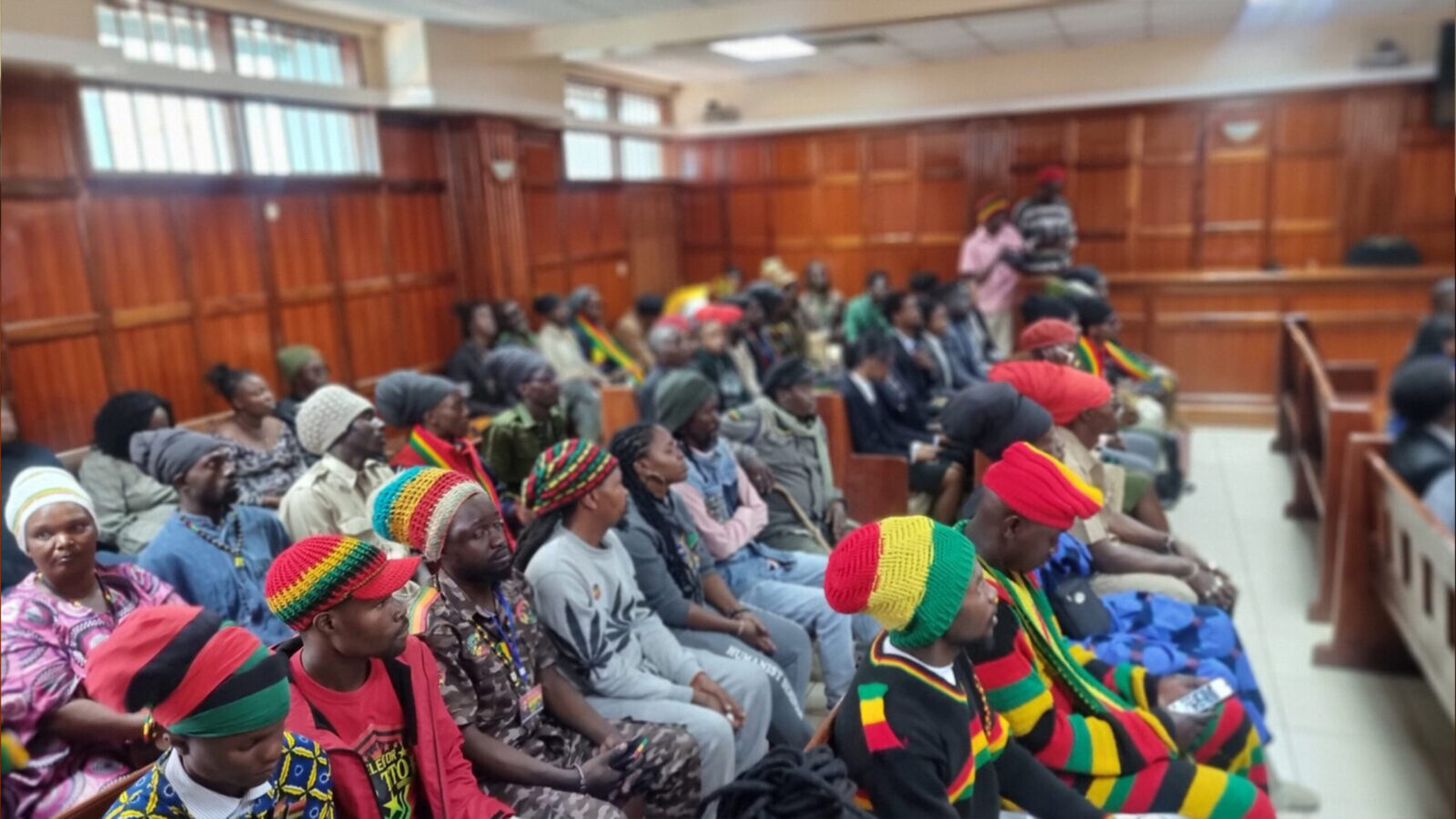

The High Court has granted members of the Rastafari Society of Kenya permission to file photographic evidence of spiritual objects and artifacts in their ongoing petition seeking the legalization of marijuana in the country, directing that any exhibits be presented through photographs rather than physical substances.
Appearing before Justice Bahati Mwamuye, the petitioners were allowed to file and serve a further affidavit annexing pictures of spiritual items or any other materials they wish to rely on as exhibits. However, the court reminded them to comply with the legal requirements governing the production of electronic evidence.
“The petitioners are granted leave to file and serve a further affidavit annexing pictures of spiritual objects and artifacts or any other items that they would wish to adduce as photographic evidence/exhibits, and the petitioners are reminded as to the requirements for the production of electronic evidence,” the judge directed.
The court, however, declined to issue a blanket order concerning security arrangements at the court premises. Justice Mwamuye emphasized that while individuals may be arrested for offences they have committed or are alleged to have committed, the justice system cannot permit arrests intended to interfere with witnesses or undermine the integrity of court proceedings.
The judge further warned that there would be consequences if any witness is deliberately prevented from attending court.
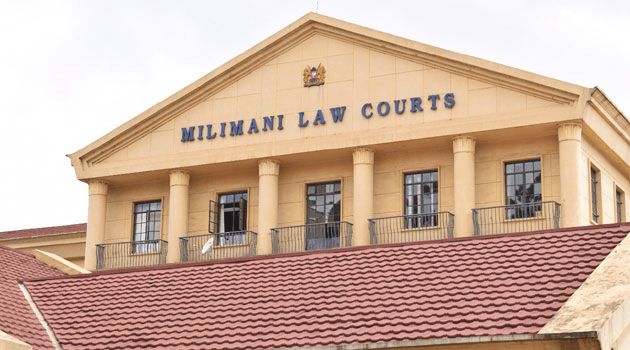
During the session, the court addressed complaints raised by the society regarding security officers at Milimani Law Courts.
Judge Bahati instructed counsel Miss Wanjiku to explain to her clients that security checks conducted at the court entrance are lawful. The court noted that security officers had exercised restraint by not arresting an individual allegedly found with cannabis sativa to avoid breaching the law themselves under the Anti-Narcotics Act.
At the same time, the court directed security officers not to harass members of the group. The applicants were also instructed not to bring marijuana or related paraphernalia to court but instead to present printed photographs of any intended exhibits.
The Rastafari Society of Kenya has asked the court to issue orders restraining police from allegedly harassing them and conducting searches in their homes without warrants. They also sought orders to stop court security officers from denying them entry during proceedings.
To ease logistical challenges, the court ordered the petitioners to give at least two weeks’ notice or a minimum of one week indicating the number of interested persons intending to attend, to enable arrangements for a larger courtroom if necessary.
The matter was scheduled for hearing but did not proceed due to the absence of counsel for the National Authority for the Campaign Against Alcohol and Drug Abuse (NACADA).
Justice Mwamuye directed that the case be heard on 13 March 2026, with judgment set for 27 May 2026. He stressed that the timelines would not be varied and that no further adjournments would be entertained.
“The court reminds all the parties and counsels herein that this is a 2021 matter affecting a large number of persons and thus ought to be concluded as quickly as possible,” the judge stated.





















Leave a comment